
The Patty Duke Show: 12 Secrets Behind the Beloved ’60s Sitcom
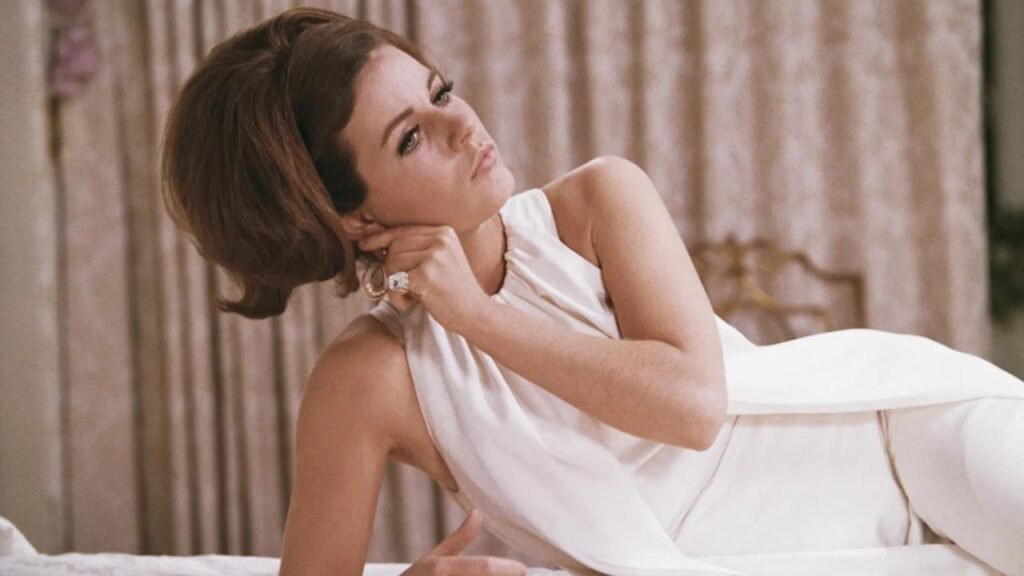
Few television comedies capture the spirit of 1960s America quite like The Patty Duke Show. Premiering in 1963, the sitcom quickly became a familiar part of American television, thanks largely to Patty Duke’s memorable performance as two very different teenage cousins, Patty and Cathy Lane.
At first glance, the premise seemed simple: two identical-looking cousins sharing the same home while constantly finding themselves caught up in misunderstandings and teenage adventures. But behind that lighthearted setup was a production filled with clever television techniques, unusual casting choices, and stories that helped make the series stand out from other family sitcoms of its time.
The show also arrived during an important period in American popular culture. Television was changing rapidly, teenagers were becoming an increasingly influential audience, and music, fashion, and youth culture were beginning to reshape entertainment. The Patty Duke Show managed to reflect some of those changes while maintaining the warm family-comedy style audiences expected from television in that era.
Patty Duke’s connection with the series remained important throughout her life. Although the actress eventually became known for many other performances, Patty and Cathy Lane remained among her most recognizable characters. Even decades after the sitcom ended, viewers continued to remember the unusual idea of one actress convincingly portraying two completely different personalities.
But how much do you really know about the show?
Here are 12 fascinating facts about The Patty Duke Show that reveal some of the lesser-known stories behind this beloved ’60s sitcom.
Patty Duke Was Playing Two Characters at Once
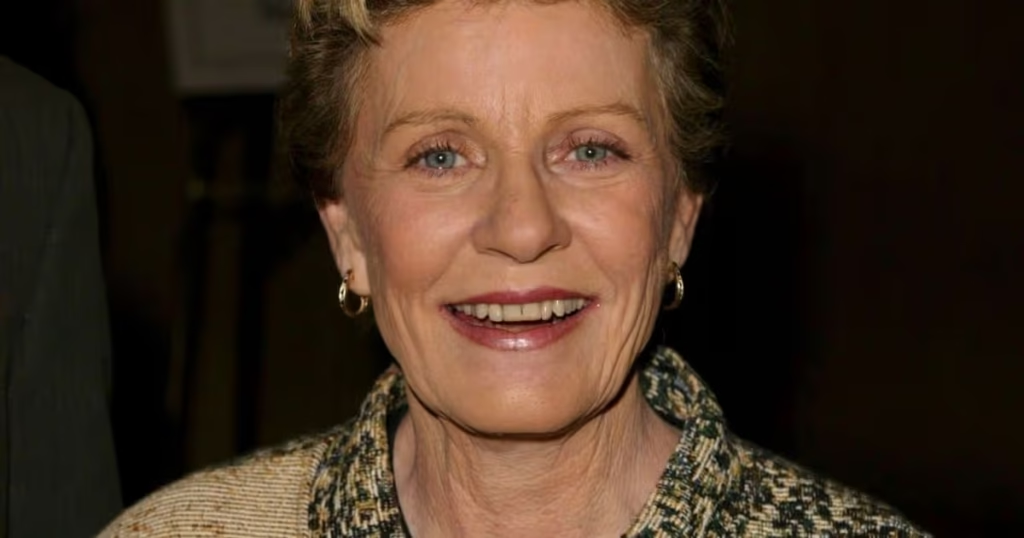
The central attraction of the series was Patty Duke herself. She portrayed both Patty Lane and Cathy Lane, identical cousins who looked alike but had noticeably different personalities.
Patty was portrayed as the more energetic and typically American teenager, while Cathy had a more refined personality and spoke with a British-influenced accent. Their contrasting personalities allowed the writers to create endless comic situations.
The concept may sound straightforward today, but having one television performer regularly appear as two characters interacting with each other was an impressive technical challenge for the early 1960s.
The Two Cousins Were Designed to Be Complete Opposites
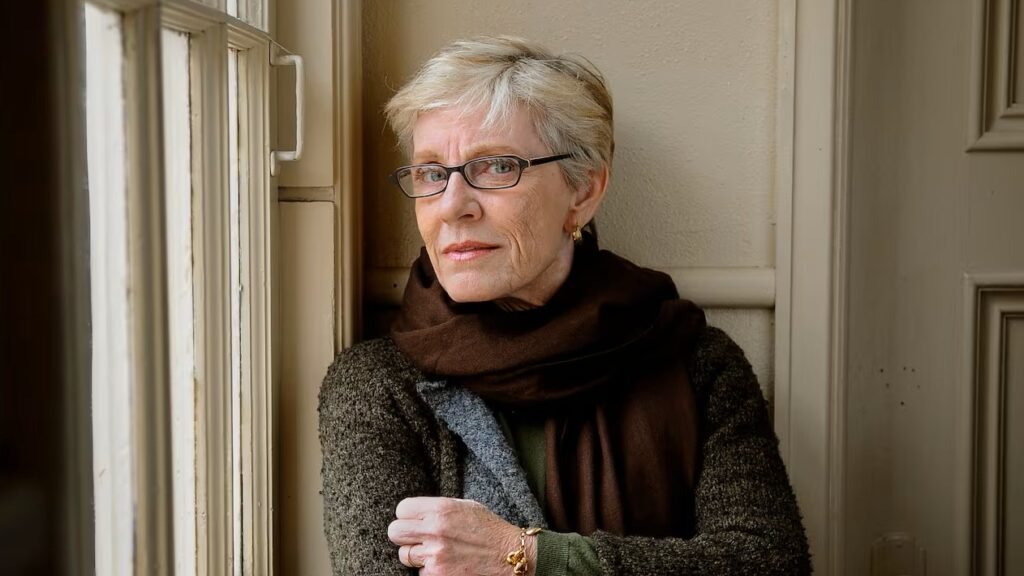
The show’s humor depended heavily on the differences between Patty and Cathy.
Although the cousins were physically identical, their personalities, interests, and manners were almost completely different. Patty was more outgoing and mischievous, while Cathy was portrayed as sophisticated and cultured.
That contrast gave the series its signature identity. Instead of simply relying on the novelty of seeing one actress play two roles, the show used the differences between the cousins as a constant source of comedy.
The Series Helped Make Patty Duke a Household Name
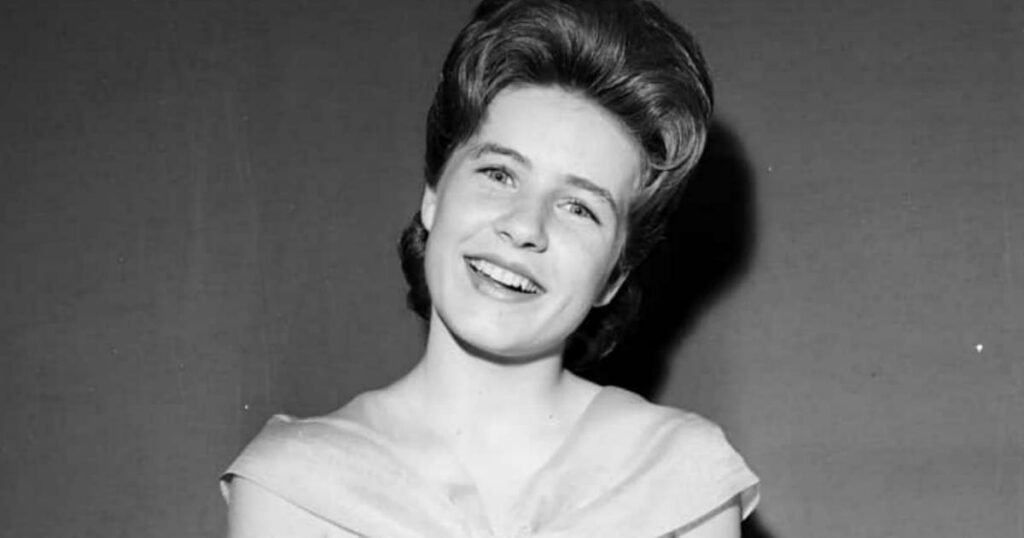
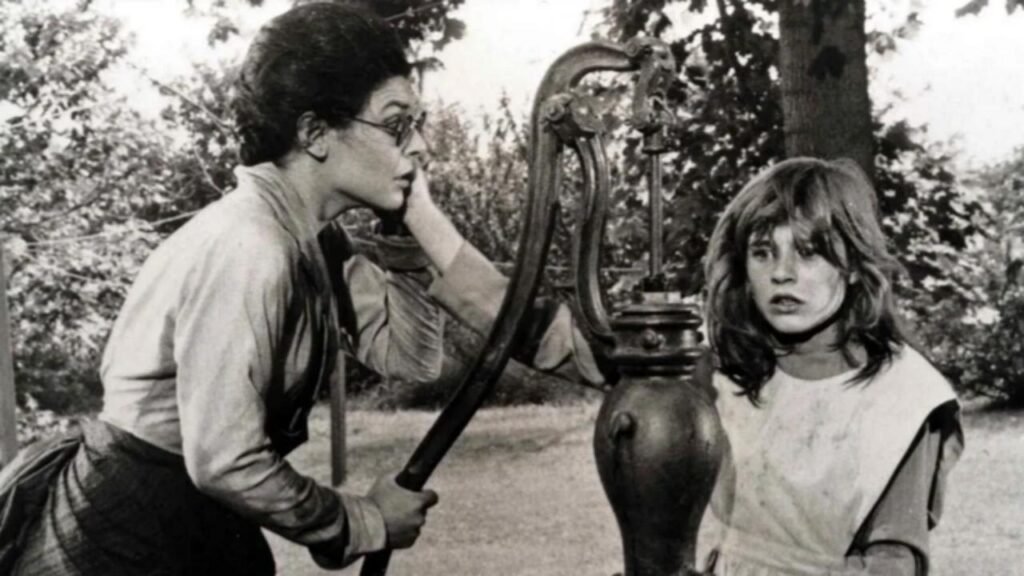
Before The Patty Duke Show, Duke had already established herself as a talented young actress. Her performance as Helen Keller in The Miracle Worker had earned her enormous attention.
The sitcom, however, introduced her to a much wider television audience.
Playing two lead characters week after week demonstrated a different side of her acting ability. Duke had to switch between personalities, accents, costumes, and mannerisms while maintaining the illusion that Patty and Cathy were separate people.
That demanding performance became one of the defining achievements of her early career.
The Show Used Clever Filming Techniques
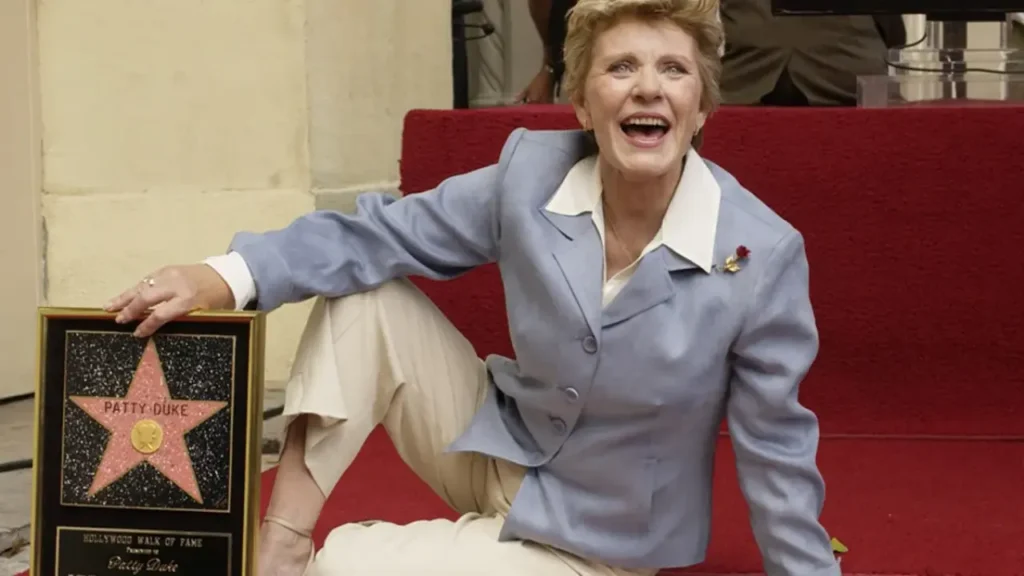
Making two versions of Patty Duke appear together required careful planning.
Because Patty and Cathy were played by the same actress, scenes involving both cousins had to be filmed using techniques that could combine Duke’s performances. Camera positioning, carefully timed movements, stand-ins, and editing all helped create the illusion.
For audiences watching the show in the 1960s, the effect could seem almost magical.
Modern television has made such visual effects much easier, but at the time, producing convincing scenes between two versions of the same actor required considerable technical skill.
The Series Was More Than Just a Gimmick

The identical-cousins concept was obviously the show’s biggest hook, but The Patty Duke Show survived because viewers connected with its characters.
The series dealt with familiar teenage experiences, including friendships, school, dating, family disagreements, embarrassing situations, and the challenges of growing up.
The unusual premise attracted attention, but the relatable stories helped keep audiences coming back.
Patty and Cathy Represented Two Different Worlds
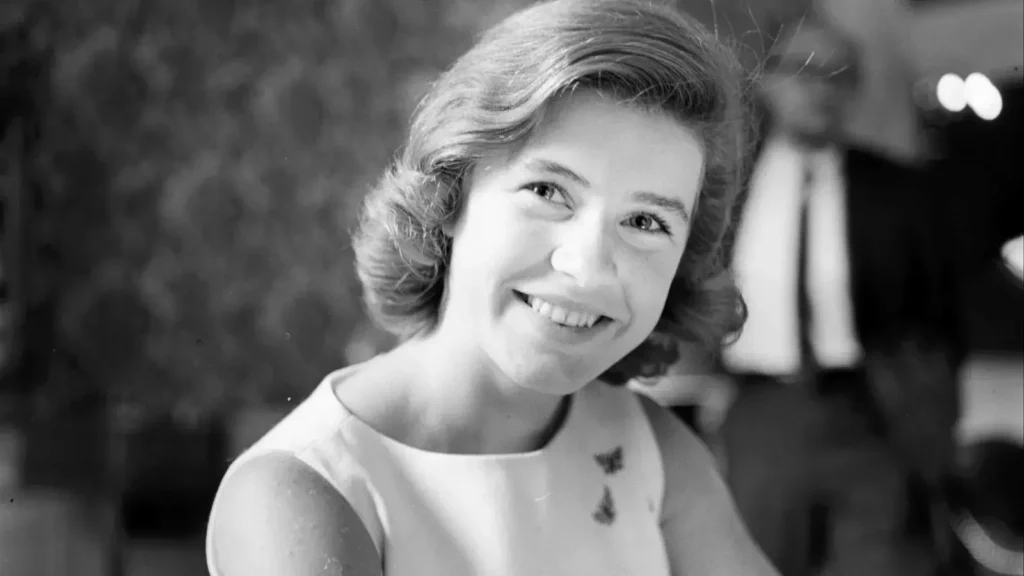
One of the show’s cleverest ideas was placing two very different personalities inside the same family environment.
Patty represented a more typical American teenager, while Cathy had spent much of her life in Scotland and brought a more sophisticated international outlook to the household.
Their differences created opportunities for cultural jokes and misunderstandings while also allowing the series to explore two versions of teenage life.
William Schallert Became Closely Associated With the Series
William Schallert played Martin Lane, Patty’s father and Cathy’s uncle.
His character served as one of the stabilizing forces in the series, often reacting to the chaos created by the two cousins. Schallert’s performance helped give the sitcom its warm family atmosphere.
Although the series centered heavily on Duke, the supporting cast played an important role in turning the Lane household into a believable television family.
The Show Reflected a Changing America
The early and mid-1960s were a period of enormous cultural change in the United States.
Teenagers were becoming increasingly important to popular culture, rock music was transforming the entertainment industry, and traditional ideas about family life and youth were beginning to evolve.
The Patty Duke Show existed right in the middle of that transition. It retained many traditional sitcom elements while focusing heavily on teenage experiences, making it an interesting snapshot of its era.
The Series Became Part of a Larger Pop-Culture Trend
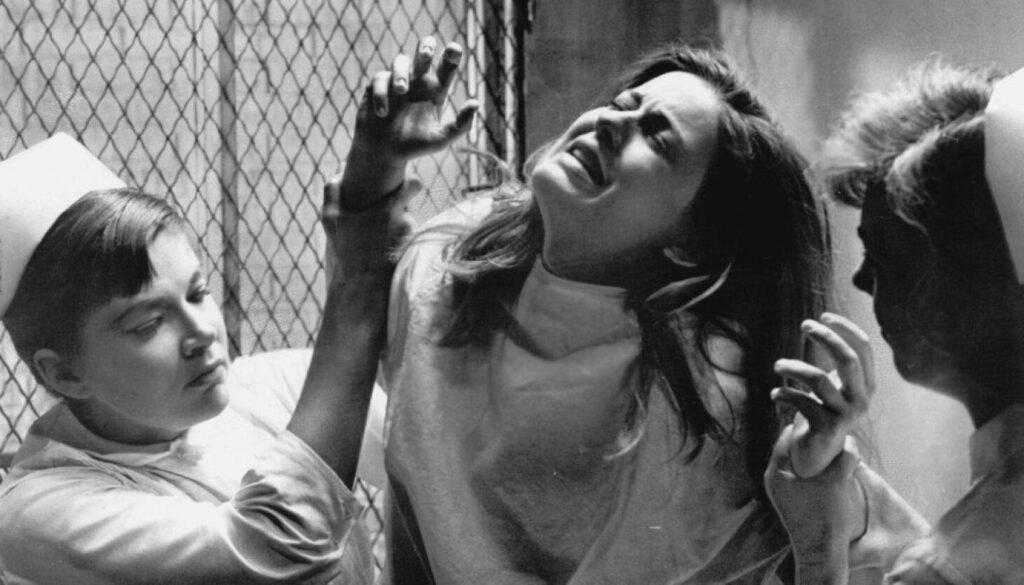
The idea of performers playing multiple characters was particularly memorable during the era.
Movies and television programs increasingly experimented with mistaken identities, doubles, twins, and actors appearing in multiple roles. The Patty Duke Show became one of the most recognizable television examples of that trend.
Its identical-cousin premise was unusual enough to make the series instantly distinctive.
Patty Duke’s Career Continued Far Beyond the Sitcom
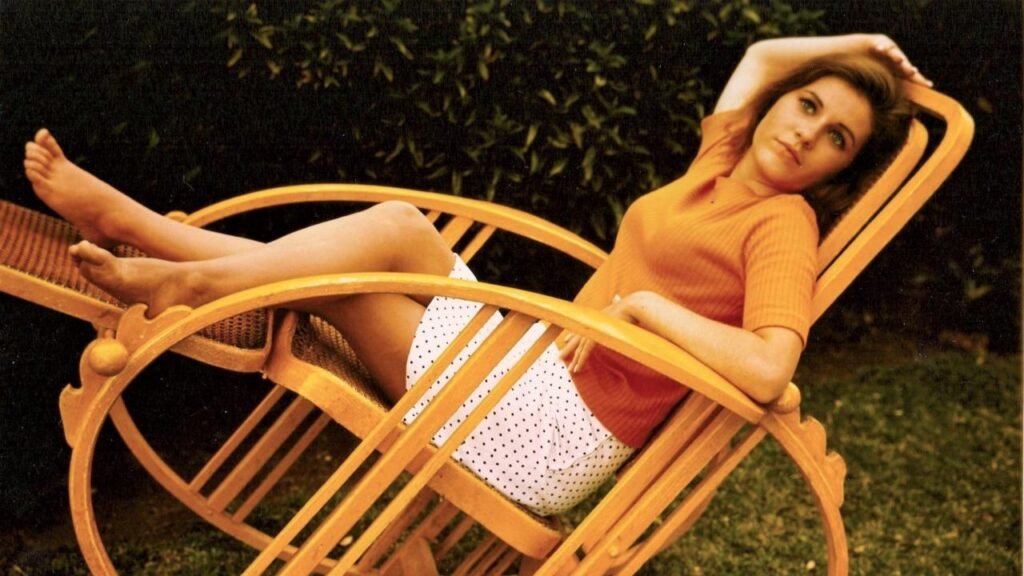
Although the sitcom became one of Duke’s signature accomplishments, it represented only one chapter in a much longer acting career.
Duke continued working in television, film, and stage productions after the series ended. She also became known for dramatic performances, demonstrating that her abilities extended far beyond the teenage comedy that had made her famous.
For many viewers, however, her portrayal of Patty and Cathy remained the role they remembered first.
The Show Left a Lasting Impression on Several Generations
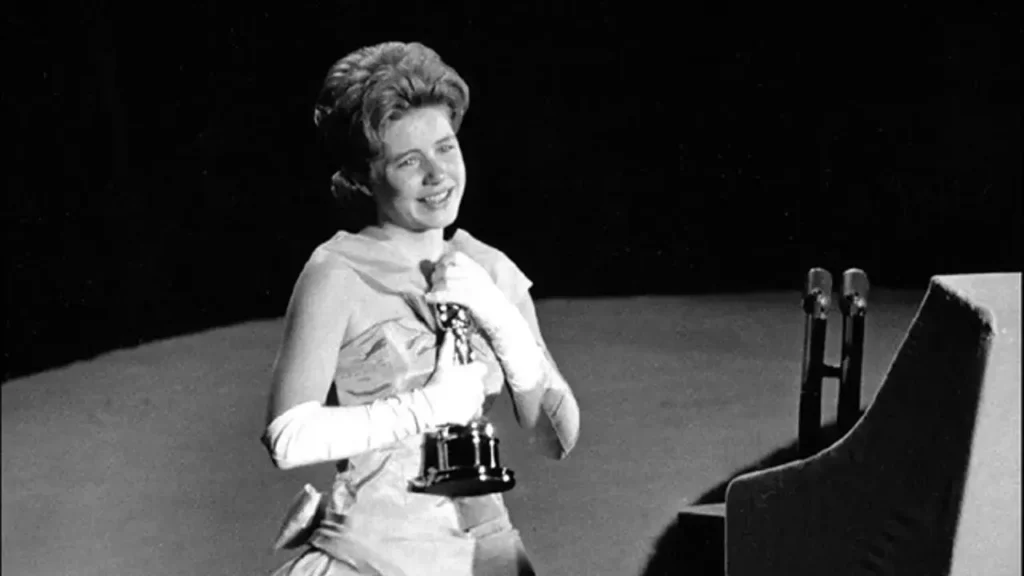
One reason The Patty Duke Show has remained recognizable is its ability to connect generations.
People who watched the original broadcasts could later introduce the series to younger family members through reruns and home entertainment. Over time, Patty and Cathy became nostalgic symbols of classic American television.
For longtime viewers, remembering the show is often about more than the individual episodes. It can bring back memories of a particular period of television, childhood, and American popular culture.
Patty Duke’s Legacy Is Closely Tied to the Series
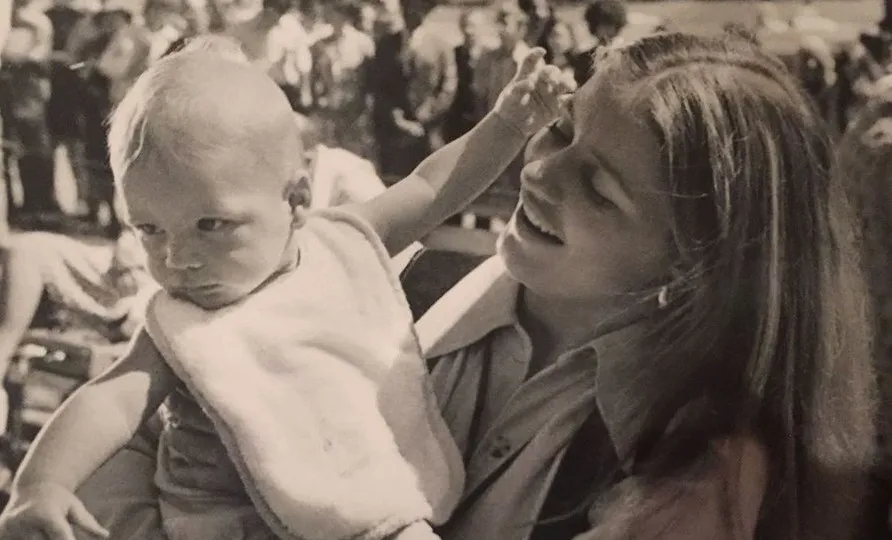
Patty Duke died in 2016 at the age of 69, but her work continues to be remembered by audiences who grew up watching her.
The significance of The Patty Duke Show goes beyond its unusual premise. It demonstrated what a talented young performer could accomplish with a demanding dual role and helped establish Duke as a recognizable television star.
Decades after its original run, the sitcom remains an important part of classic television history.
Why The Patty Duke Show Still Matters
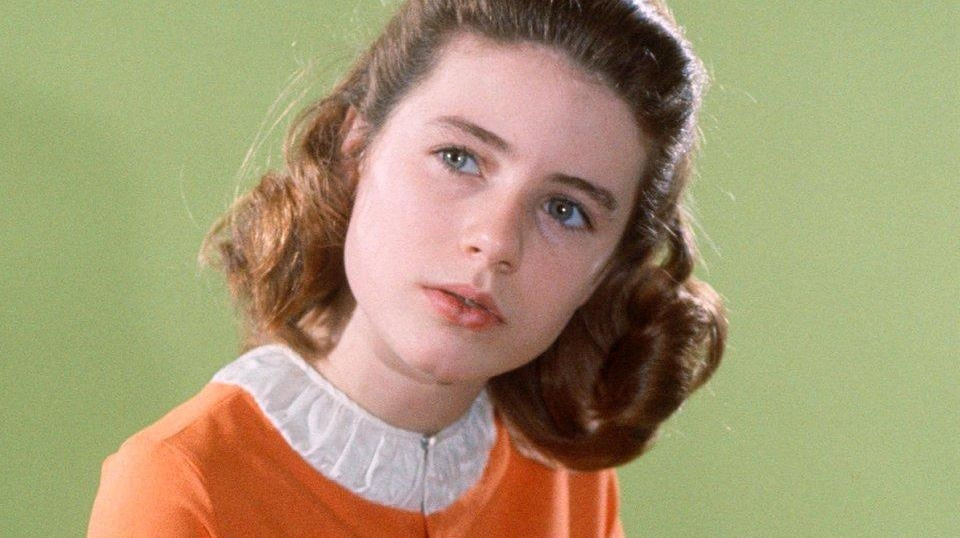
Looking back at The Patty Duke Show today, its appeal is easy to understand. The premise was unusual, the central performance was memorable, and the stories captured everyday teenage experiences during a rapidly changing decade.
What began as a sitcom about two identical cousins eventually became a nostalgic representation of 1960s youth culture. Patty Duke’s ability to make Patty and Cathy feel like two distinct people was at the heart of that success.
The technology used to create their scenes may seem basic by today’s standards, but the creativity behind those early productions helped demonstrate what television could accomplish.
And perhaps that is why the series continues to attract attention decades later. The Patty Duke Show wasn’t simply a comedy about two cousins who happened to look alike. It was a snapshot of an era, a showcase for a remarkable young actress, and a television classic that left its mark on generations of viewers.
Hi, this is a comment.
To get started with moderating, editing, and deleting comments, please visit the Comments screen in the dashboard.
Commenter avatars come from Gravatar.